

How to Replace a UPVC Door Lock
If your uPVC lock is jamming, it may be time to replace it. Other signs to look out for are a loose handle or intermittent functionality.
The process of changing a uPVC lock may appear difficult at first. But, it's an easy process. All you require is the right tools and the right knowledge.
Take off the lock that was previously used.
It's not for the faint-hearted However, learning how to modify your own upvc door locks can save money while also increasing the security of your home. It's also an excellent way to gain new skills and know-how. The process is simple to follow the steps outlined in this guide and have access to the appropriate tools. Make a few measurements and write them down before you begin the work. This will allow you to find the right replacement lock that is the same size and will be installed easily without damaging your frame or door.
The first step to change the uPVC lock on a door is to remove the lock. Start by pulling out the screw that holds the handle in place and loosening it with the screwdriver. repairmywindowsanddoors can then pull the interior lock and door handle off. The barrel lock can be removed by pulling it with keys. You can also use a mallet made of rubber and gently tap the lock to loosen it. After the lock has been removed, it is crucial to clean the inside of the door as well as the frame to allow you to reinstall the new lock correctly.
It is essential to verify the key measurements prior to purchasing an entirely new lock. You'll also have to know your frame's width and depth, as well as the length of the backset and the distance between the handle and the cylinder. You can determine the dimensions using the aid of a tape measure or by looking at your existing lock. These dimensions will ensure that the new lock is properly fitted and won't cause any issues.
You should test the lock by closing and opening the front door. Also, you should lock and unlock the door from the inside and outside of your home to ensure that it functions correctly. If you're not at ease doing it yourself you can hire a professional to do it.
Maintaining your uPVC doors in good condition requires regular cleaning and lubrication. This prevents the internal mechanisms from getting stuck and helps to prevent dings and scratching. It is recommended to lubricate the locking mechanism every six months with an lubricant that is resistant to dust, namely graphite. This simple maintenance routine can help you avoid costly repairs in the near future.
Installing a new lock
If a uPVC door lock starts to fail, it could be time to replace it. This is often due to wear and tear, but it can be a sign that the lock has become old and is not performing in the way it should. It is good to know that replacing the lock is relatively simple and doesn't require any special skills or equipment. However, if you are not sure about the procedure, you can consult the manufacturer's instructions or consult a locksmith professional for guidance.
The replacement of a uPVC door lock is a daunting job however, it's not difficult. It's as simple as knowing when it's time to replace the lock, having the tools on hand, and following a few simple steps. It's important to keep up with regular maintenance to make sure your locks function exactly as they should.
One of the most frequent signs that your uPVC door lock needs replacement is when it becomes difficult to open or close the handle. This usually means that the lock mechanism has become unlubricated, and this can cause it to get stuck. It is possible to fix this issue by lubricating the mechanism with a suitable graphite-based grease or oil.
Another indication that you require replacing your uPVC door lock is when the locking mechanism starts getting stuck. This could be caused by a buildup of dust or dirt within the lock, or it could indicate that the lock is not working properly. Regardless of the cause it is a serious issue that needs to be addressed as soon as possible to prevent burglaries.
Once you've removed the old lock, you can install the new lock by screwing it in place. Make sure that you put the long screw in again, and then check whether it locks. If it isn't, you may have to adjust the screws again. Be careful not to overtighten the screw as this could cause damage to the door handle. Finally, you should test the lock on both sides of the door to make sure that it works.
Test the new lock
It is possible to improve the security of your home by changing the lock on your front door. Anyone with basic knowledge and the right tools can tackle this inexpensive DIY project. Before you begin, it's important to take a few precautions to avoid damage to your door or frame.
Find out the kind of lock on your uPVC doors. This will help you determine whether you'll need a new handle or cylinder. It is essential to identify the brand of lock you have. Once you have identified the brand, you will be able to find a replacement easily.
Test the new lock after you have removed the old one before installing it. The key should be able to rotate in the lock and the door should latch properly. If your uPVC handle isn't functioning as it is supposed to and it is damaged, it could be the cause. If you don't take care to fix the problem it could pose an unsafe risk for your family.
The process of changing the lock on your uPVC door can be daunting, especially since it is a vital element of your home's security. If you follow the proper steps, you will not damage your frame or door. If you're unsure about the process, contact a locksmith to help you out.
There are a myriad of reasons your uPVC door handle may not be working as it ought to. It can be a simple tear or wear, but other times it could be a more serious issue. In any case, it's important to address the issue promptly to ensure that your family and belongings safe from intruders.
Changing the uPVC lock is a straightforward and inexpensive way to increase your home's security. It is not a difficult task, but it is crucial to be cautious when performing the job. The steps below will make this task simpler and less stressful. However, if you're not confident in your abilities it is recommended to speak with an expert to assist in the process.
Troubleshooting
If you are having trouble with your uPVC door handle, you must determine what the problem is. It's usually a sign you'll need to replace the lock. If your handle is stiff or not working properly it could require lubrication. This is a cheap and simple solution to a problem that occurs with uPVC handles.
If the issue is serious, you should contact a locksmith that specializes in uPVC repair. A professional locksmith will have the tools and expertise to disassemble the lock, clean it thoroughly, and then reassemble it in a proper manner. A locksmith can also recommend a security upgrade that can increase the level of home protection.
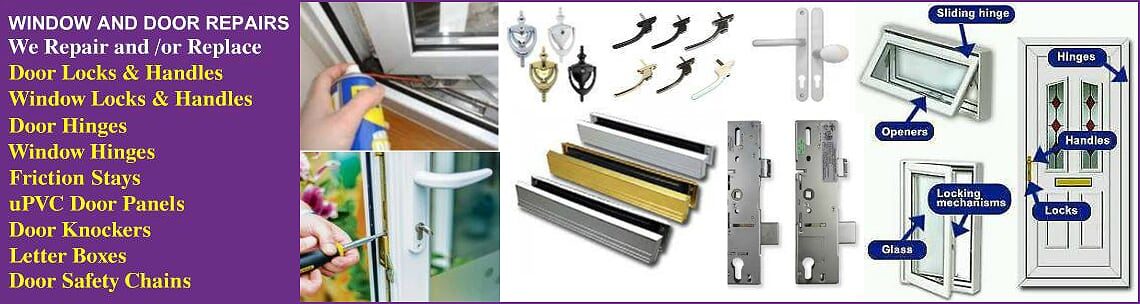
A stiff or jammed uPVC door lock could pose a serious security risk and it's vital to solve the issue promptly to maintain the safety of your home. Most likely, dirt, dust or debris have accumulated inside the locking mechanism, causing it to become stiff or jammed. If left untreated the jammed or stiff lock can become difficult to open and could cause the key to break or get stuck inside the lock.
To resolve this issue, use a screwdriver to loosen the screws that hold the handle in place. then take it off the front door. Then, use a screwdriver to remove the barrel screw located on the other side of the handle. Afterwards, you should be in a position to pull the handle apart and pull off the outer and interior handles. After you've done this, you can begin the process of replacing your lock.
After you've finished, you should test the new lock to ensure it's working properly. It's an excellent idea to note down the key's dimensions so that you can order the correct replacement cylinder for your uPVC door.
Replacing a uPVC locking system is an easy and effective method to improve the security of your house. However, it is essential to be prepared prior to beginning the repair process by getting the necessary tools and materials. Also, be sure to follow the manufacturer's guidelines for the specific type of uPVC door.